How to Treat and Prevent Ingrown Hairs
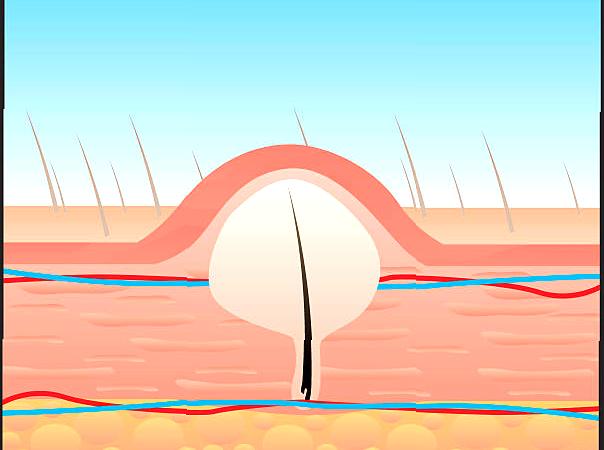
Ingrown hairs can be a persistent nuisance, causing discomfort and irritation. This article explores effective treatment options and preventive measures to help you deal with and avoid the occurrence of ingrown hairs. Understanding what causes them and how to correctly care for your skin is essential to maintaining a smooth and healthy complexion.

What Causes Ingrown Hairs?
Ingrown hairs occur when hair grows back into the skin instead of emerging from the follicle. This can happen for various reasons, including improper shaving techniques, tight clothing, or even curly hair types that tend to loop back into the skin. When hair curls back, it can form a painful bump, leading to inflammation or infections. Other factors contributing to ingrown hairs can include dry skin, clogged pores, and lack of proper exfoliation. Understanding these causes can help you take suitable steps to both treat and prevent ingrown hairs effectively.
Treatment Options for Ingrown Hairs
Treating ingrown hairs involves addressing the irritation and preventing potential infections. Here are some effective methods:
- Warm Compress: Soaking a clean cloth in warm water and applying it to the affected area can help soothe irritation and open up the pores. This may allow the hair to break through the surface more easily.
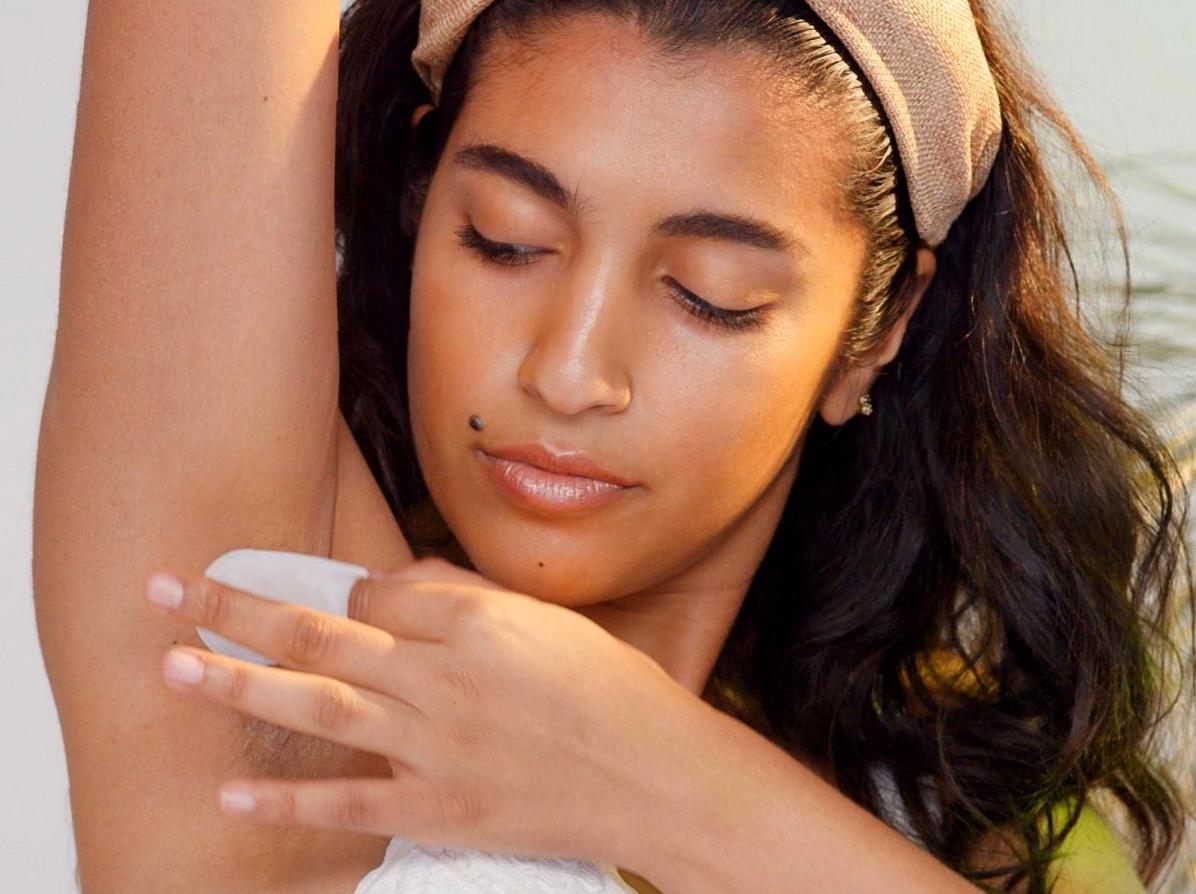
- Exfoliation: Gentle exfoliation helps slough away dead skin cells that can block hair follicles. Use a mild scrub or an exfoliating mitt a few times a week to keep the skin smooth.
- Topical Treatments: Over-the-counter creams that contain salicylic acid or benzoyl peroxide can reduce inflammation and help prevent infection.
- Spot Treatment: If the bump is painful or shows signs of infection, applying an antiseptic or hydrocortisone cream can reduce swelling and help with healing.
- Do Not Pick: Avoid the urge to pick or squeeze an ingrown hair as this can cause further irritation and lead to scarring or infections.
By following these treatments, you can alleviate discomfort and promote quicker healing of ingrown hairs.

Methods to Prevent Ingrown Hairs
Prevention is always better than cure when it comes to ingrown hairs. To minimize their occurrence, consider the following measures:
- Shave Properly: To prevent hairs from becoming ingrown, use a sharp razor and shave in the direction of hair growth. Using shaving cream or gel can provide a better glide and reduce irritation.
- Moisturize Regularly: Keeping the skin hydrated is crucial. Use an alcohol-free moisturizer daily to maintain skin elasticity and prevent dryness.
- Exfoliate: Regular exfoliation helps keep pores clear and reduces the chances of hair becoming trapped under the skin.
- Avoid Tight Clothing: Wearing loose-fitting clothing can help prevent hair from becoming trapped against the skin.
- Consider Alternative Hair Removal Methods: If you struggle with ingrown hairs, explore hair removal options such as laser treatments or depilatory creams, which might be less irritating for your skin.
By implementing these preventive measures, you can significantly reduce the chances of ingrown hairs forming and maintain healthier skin.

When to Consult a Dermatologist
There are instances where ingrown hairs may require professional attention. If you experience severe pain, notice signs of infection (such as pus or significant swelling), or if ingrown hairs become a persistent issue, it’s crucial to consult a dermatologist. A dermatologist can offer tailored advice, prescribe stronger topical treatments, or even suggest procedures to remove deeper ingrown hairs safely. Additionally, they can evaluate your skin type and recommend the best hair removal methods for your situation. Early intervention can prevent complications and ensure that your skin remains healthy and free from irritation.
Conclusion
Ingrown hairs can be uncomfortable and unsightly, but with proper knowledge and care, they can be effectively treated and prevented. By understanding the causes and employing effective treatment methods and preventive measures, you can promote smoother skin and significantly reduce the likelihood of ingrown hairs. Always remember to seek professional advice when necessary to ensure your skin health is maintained.
Frequently Asked Questions
No, it’s not advisable to pop an ingrown hair as this can lead to infection and may cause scarring. Instead, use warm compresses and topical treatments.
2. Do ingrown hairs go away on their own?
Yes, many ingrown hairs will eventually work their way out and go away on their own, but treatments can help speed up the process and reduce discomfort.
3. Can shaving cause ingrown hairs in all skin types?
Yes, shaving can cause ingrown hairs in any skin type, but individuals with curly or coarse hair types are more prone to developing them.
4. How often should I exfoliate to prevent ingrown hairs?
Exfoliating 1-3 times a week is generally effective, but you should adjust based on your skin’s sensitivity and needs.
5. Are there any natural remedies for ingrown hairs?
Some natural remedies, such as tea tree oil or aloe vera, may help soothe the skin and reduce inflammation, but should be used with caution.