Can Cryotherapy Damage Facial Nerves?
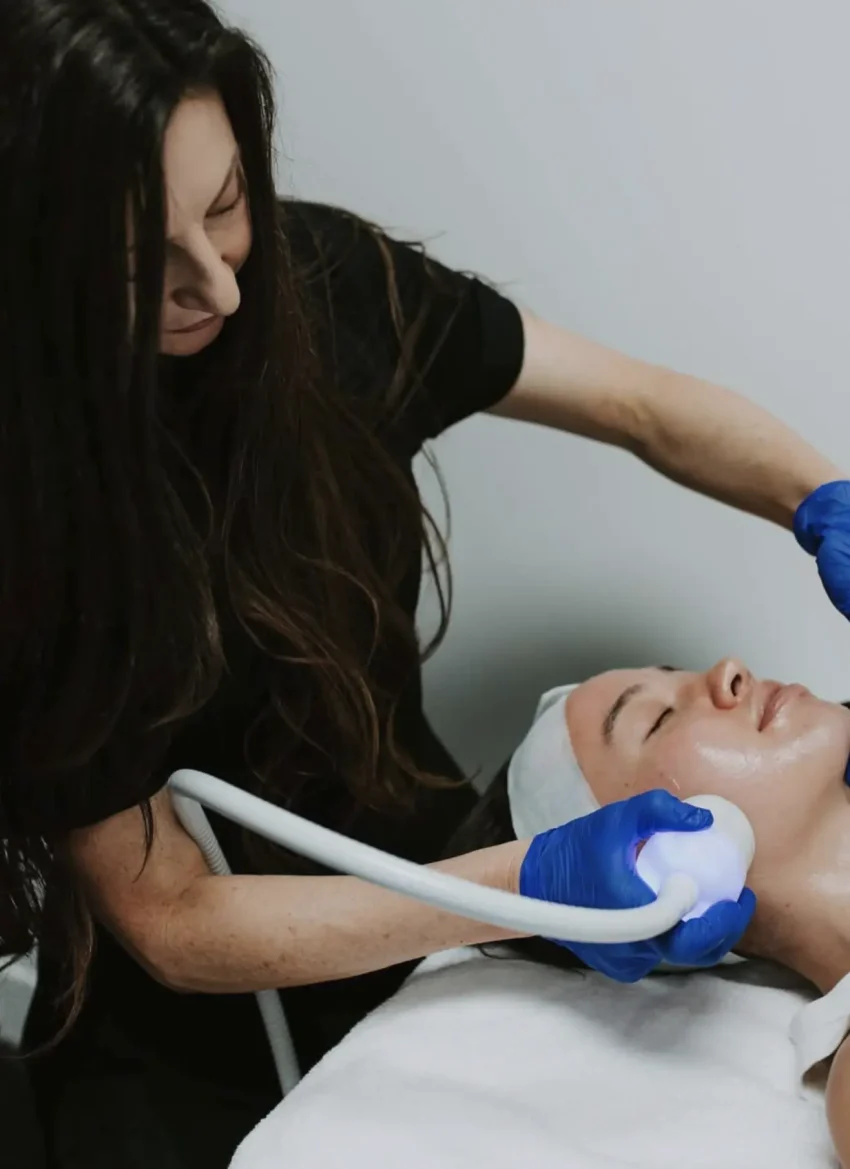
Can cryotherapy damage facial nerves? It’s a question I get asked more often than you might expect, especially as cold therapy takes off in Brisbane – from recovery clinics to beauty spots like The Facial Hub. And you know what? It’s a smart question to ask.
I’m Sevine Forster, and after nearly 20 years working hands-on with skin, muscles and facial structures, I’ve learned that anything claiming “instant results” deserves a closer look. Cryotherapy can be pretty beneficial – but like any treatment involving extreme temperatures, it needs to be done properly and with a real grasp of facial anatomy, including the peripheral facial nerve and trigeminal nerve.
Let’s break down what’s myth, what’s real and what actually matters when it comes to skin and nerve health.
What Cold Exposure Really Does To Your Skin
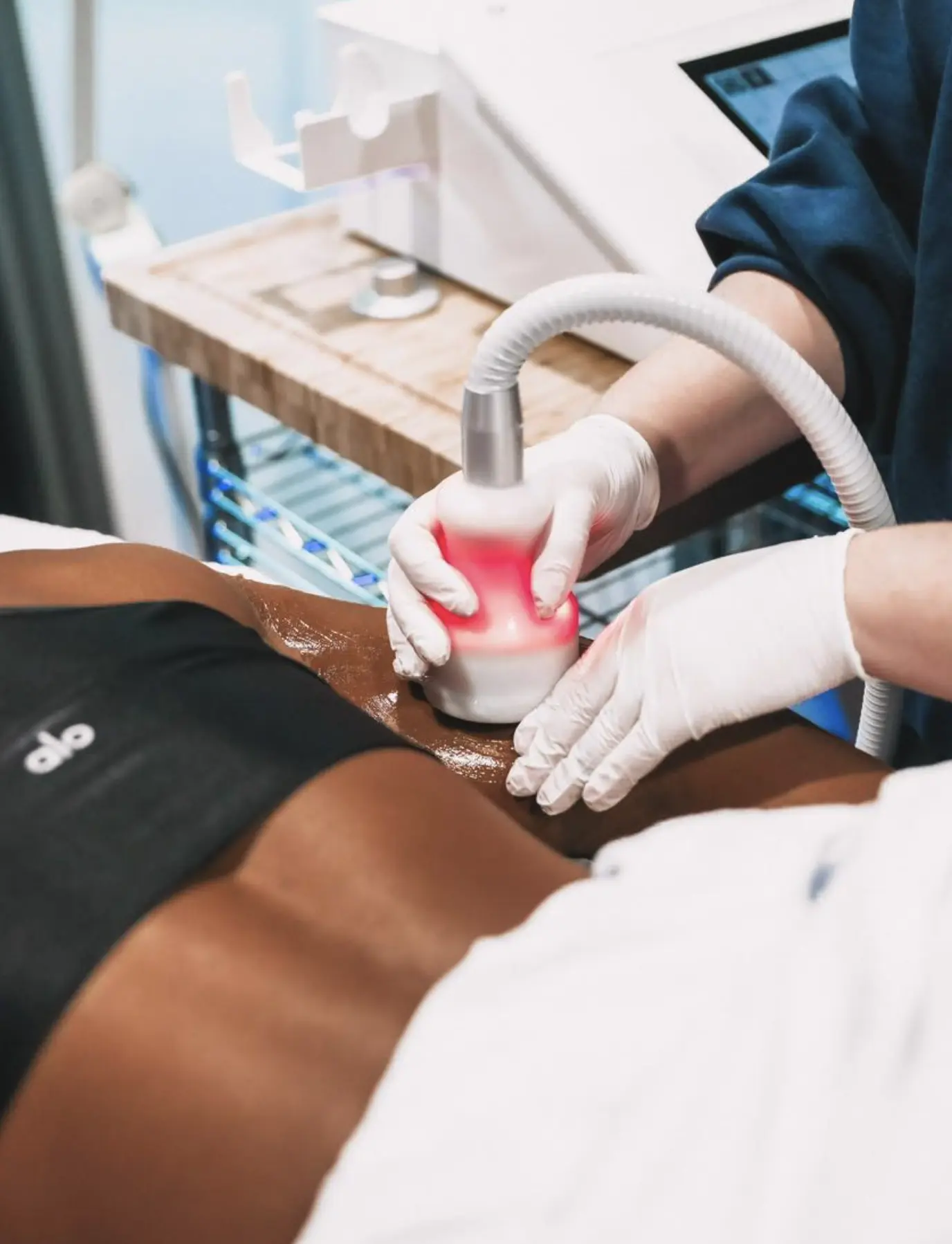
Before we get into the risks, it’s worth understanding what’s going on just beneath the surface. When used properly, this treatment isn’t just about sticking your face in a deep freeze – it’s about carefully controlled cold exposure that kicks your circulation and reduces inflammation.
In medical settings, this approach might involve liquid nitrogen as part of a cryosurgery technique to treat skin lesions, including keratinocyte cancers and recurrent skin cancers. In those cases, a carefully controlled ice block forms in the tissue to eliminate the abnormal cells, which is quite different from what you get with an aesthetic treatment.
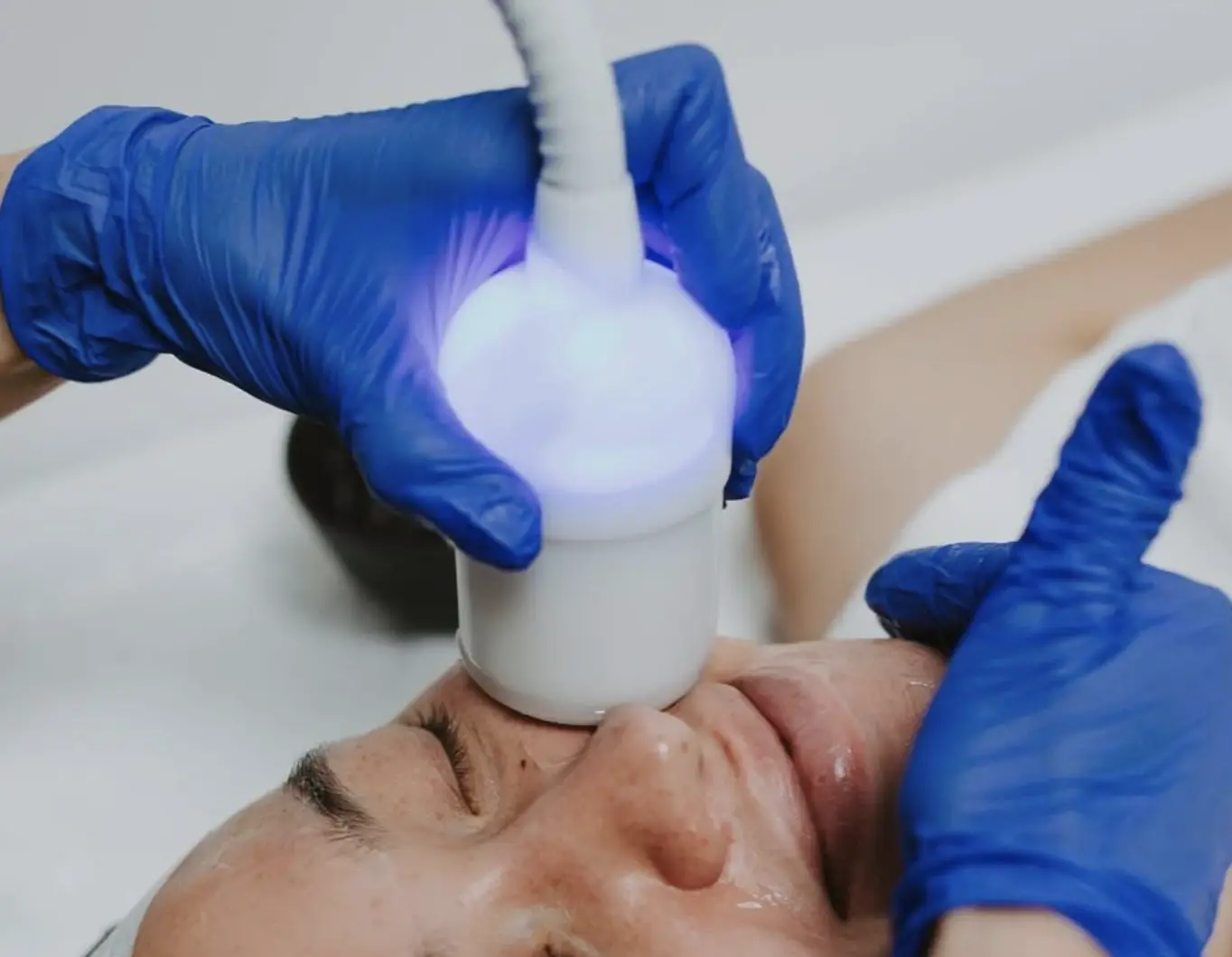
In a beauty setting, controlled cooling causes your blood vessels to tighten up and then reopen in a hurry, which gets the blood flowing, reduces puffiness and calms down irritation – which is why it’s often used post-treatment.
If you’ve ever searched for cryotherapy near me on Google, you’ve probably noticed just how varied the options are – and that’s exactly why it matters to understand the technique before booking a session.

How Cold Exposure Interacts With Nerve Pathways
Let’s cut through the myths – yes, nerves can be affected by extreme cold, but don’t get too worked up about it – actual damage is super rare & only happens when people use these sorts of treatments the wrong way.
That said, the peripheral facial nerve has bits that are pretty close to the surface in certain areas of the face. If you sit in cold air for too long, it can temporarily mess with the signalling coming from the nerves – it has to do with the way the nerve fibres respond to cold.
And in the worst cases, this could theoretically contribute to something called facial nerve palsy – though if you’re in the medical field, this is pretty uncommon & usually tied to some sort of accident or misuse.
But here’s the thing with aesthetic treatments:
- We’re talking seconds or minutes max – brief exposure
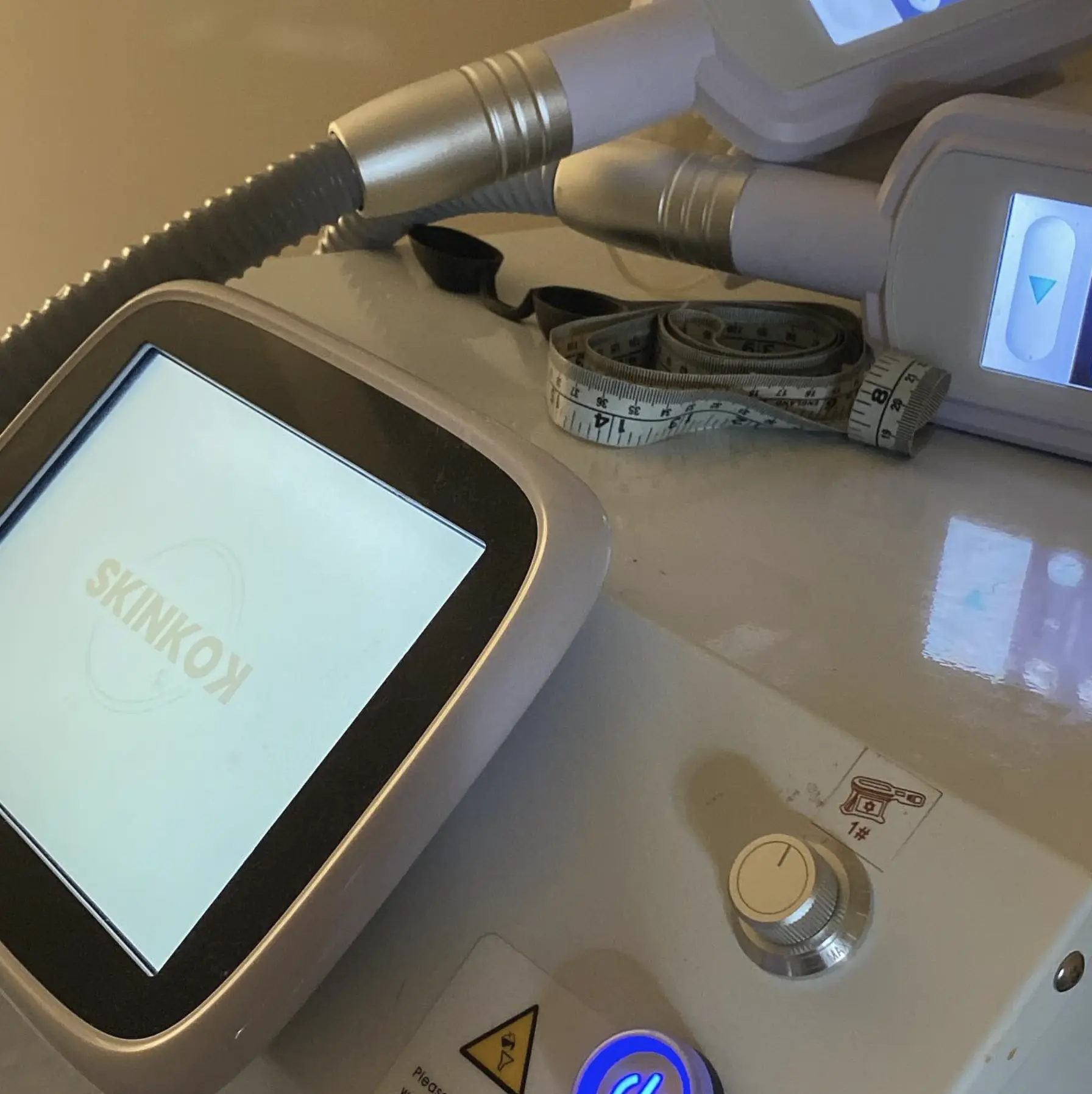
- We control the temperature, so it’s not going to get too crazy out of hand
- We’re constantly moving, so we’re not just freezing in one spot
That massively reduces the risk of nerve problems when done right.
Where Problems Actually Start
Now this is the part where I always get really open with my clients – issues don’t actually come from the treatment itself – they come from how you do it.
Common Risk Factors I See In Real Life
- DIY ice tools held in one place too long
- Cheap or unregulated devices mimicking medical-grade equipment
- Lack of proper training in anatomy
- Poor patient selection (treating sensitised or compromised skin)
- Overuse leading to irritation or delayed wound healing
I once had a client come in because she was following all these crazy ice face trends on TikTok & ended up with numb spots all along the jawline. Luckily, it wasn’t long-term damage, but it was definitely nerve irritation.
Even with mild reactions, you might not notice anything until hours after the treatment, which is why getting straight advice from a pro is really important.
Safe Vs Risky Approaches Explained
Here’s a simple breakdown to help you understand the difference between safe, professional treatments and higher-risk approaches:
| Factor | Professional Treatment | DIY / Unsafe Use |
|---|---|---|
| Temperature Control | Precisely regulated | Uncontrolled (ice, freezing packs) |
| Application Time | Short, timed intervals | Often too long |
| Movement | Continuous motion | Held in one spot |
| Skin Assessment | Tailored to your skin type | One-size-fits-all |
| Risk Level | Low when done correctly | Moderate to high |
| Nerve Safety | Monitored carefully | Higher chance of irritation |
| Medical Oversight | Guided by trained professionals or medical practitioners | None |
The key takeaway? It’s not the cold — it’s the control.
Brisbane Skin Realities You Can’t Ignore
Living in Brisbane, we all know that our skin just doesn’t react the same way it does in places a bit further south. The humidity, the sun and the changing seasons all mess with how your skin reacts to treatments – and let’s be honest, it can be a bit of a handful.
Come summer, and your skin is already running hot – and then you go and stick it in the deep freeze without giving it a chance to chill out, and you’re looking at a higher risk of irritation or some other unwanted side effect.
But then there’s winter, and if you’re doing this type of treatment carefully, it can be a real game-changer, helping to sort out the puffiness, inflammation and poor circulation that can come with it.
At The Facial Hub, we don’t take a one-size-fits-all approach. We tailor every step to what your skin’s looking like on the day – not some generic protocol that every client gets. Our Brisbane skin needs a bit more thought than that.
If you’ve been searching online for cryotherapy near me, then you’ll know that having a proper consultation can make all the difference in the world.
What Current Research Tells Us
This type of treatment’s been growing in popularity, and it’s not just a fad. According to a 2025–2026 study, usage has increased by over 20% worldwide, with a strong focus on managing inflammation and dermatological care.
In real-life clinics:
- Liquid nitrogen is still the go-to for skin lesions
- Controlled freezing to create an iceball to zap the bad cells
- Maybe some mild nerve side effects are possible, but they’re usually just temporary
But the important thing is that there’s just not enough evidence to suggest that properly done treatments will give you any permanent nerve damage.
Who Needs A More Tailored Approach
Not everyone’s going to be a great fit – and of course, that’s something I’m very upfront about in the clinic.
You might want to take it easy if you’ve got:
- Super sensitive skin
- Rosacea or a compromised skin barrier
- Recent cosmetic or medical work
- Any history of nerve sensitivity that involves the trigeminal nerve
- Thin or fragile skin
If you’ve been Googling “cryotherapy near me” and checking off a few of these boxes, it’s probably worth taking a step back and having a proper consultation before jumping in.
What It Should Feel Like During Treatment
A good session should leave you feeling calm and in control – never overwhelmed.
You might notice a bit of a cooling sensation when it starts, followed by a gentle warmth as your circulation picks up – that bit’s actually what makes the treatment work in the first place. What you should never feel is a sharp sting or any lingering numbness or anything that just feels a bit too aggressive.
And when you come out the other side, your skin should be looking pretty calm, not stressed.
My Approach Inside The Treatment Room
At The Facial Hub, I treat cryotherapy as just one piece of the puzzle. It’s not a be-all, end-all for me – I consider it a useful tool that I use thoughtfully.
I find that it really helps reduce inflammation, calm the skin after a treatment, and improve circulation. But I never just use it on its own. You can bet I pair it with a gentle, supportive skincare routine and techniques that account for what your skin really needs right now.
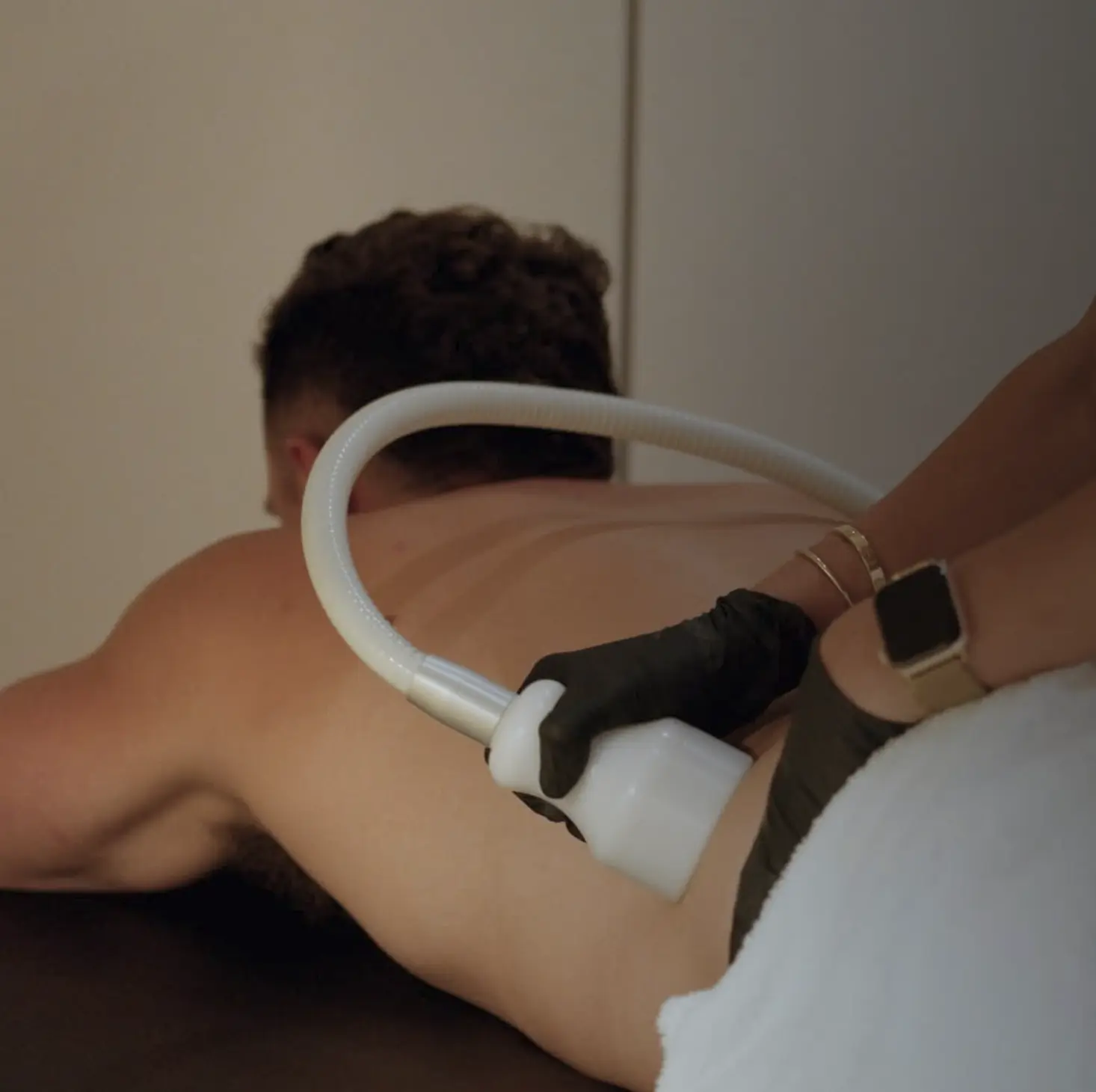
Every single session I do is guided by good hygiene practices, top-notch equipment and a real sense of how the skin and the nervous system interact. That balance is what makes treatments both effective and safe, you know?
Final Thoughts: Is It Safe For Your Skin?
The simple truth is: yes, when done properly, this treatment is super unlikely to cause any nerve damage.
Of course, with anything in skin care, it all depends on a few things:
- Who is actually doing the treatment
- How they’re using the equipment
- Whether your skin is even suited to it
If you’re chasing every trend without guidance, you’re taking unnecessary risks. And if you’re working with someone who really knows what they’re doing – and understands anatomy and does a good job with safety protocols – then it can be a real game-changer.
FAQ
Can it give you permanent nerve damage?
Permanent nerve damage is super rare and typically happens when people use this treatment way too aggressively or leave it on for too long.
What is facial nerve palsy, and should I worry about it?
Facial nerve palsy is just a fancy way of saying that you’ve got temporary weakness in the muscles in your face. It’s very unlikely to happen from cosmetic treatments if they’re done right.
Why does my skin go all numb after icing?
Temporary numbness can happen if you get too cold for too long. It usually goes away pretty quickly, but it’s a sign that you might have gotten a bit carried away.
Do you guys use liquid nitrogen in these treatments?
Yeah, in medical treatments they do – especially for skin lesions. But in our cosmetic work, we stick with gentler, more controlled cooling methods.
What are the risks if someone does it all wrong?
The risks include irritation, delayed healing, and temporary nerve sensitivity – all totally avoidable if they just learn how to do it properly.