How many years does lip blushing last?
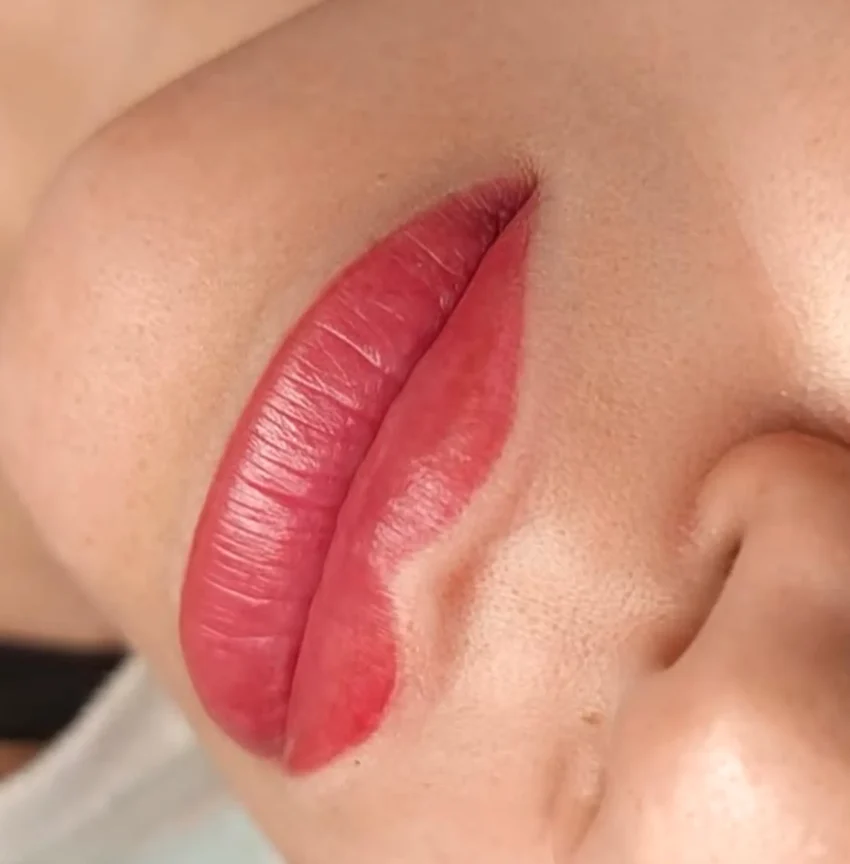
If you’ve ever typed “how many years does lip blushing last?” into Google while eyeing off your favourite lip tint, you’re not alone. At Cosmetic Tattoo Studio Face Figurati here in Melbourne, it’s one of the most common questions clients ask before booking a semi-permanent makeup appointment. And fair enough — if you’re investing in permanent makeup for your lips, you want to know how long that investment will pay off.
Spoiler: the answer isn’t one-size-fits-all. But stick around, and I’ll give you the real talk, backed by experience, not hype.
How Long Does a Lip Blush Tattoo Last
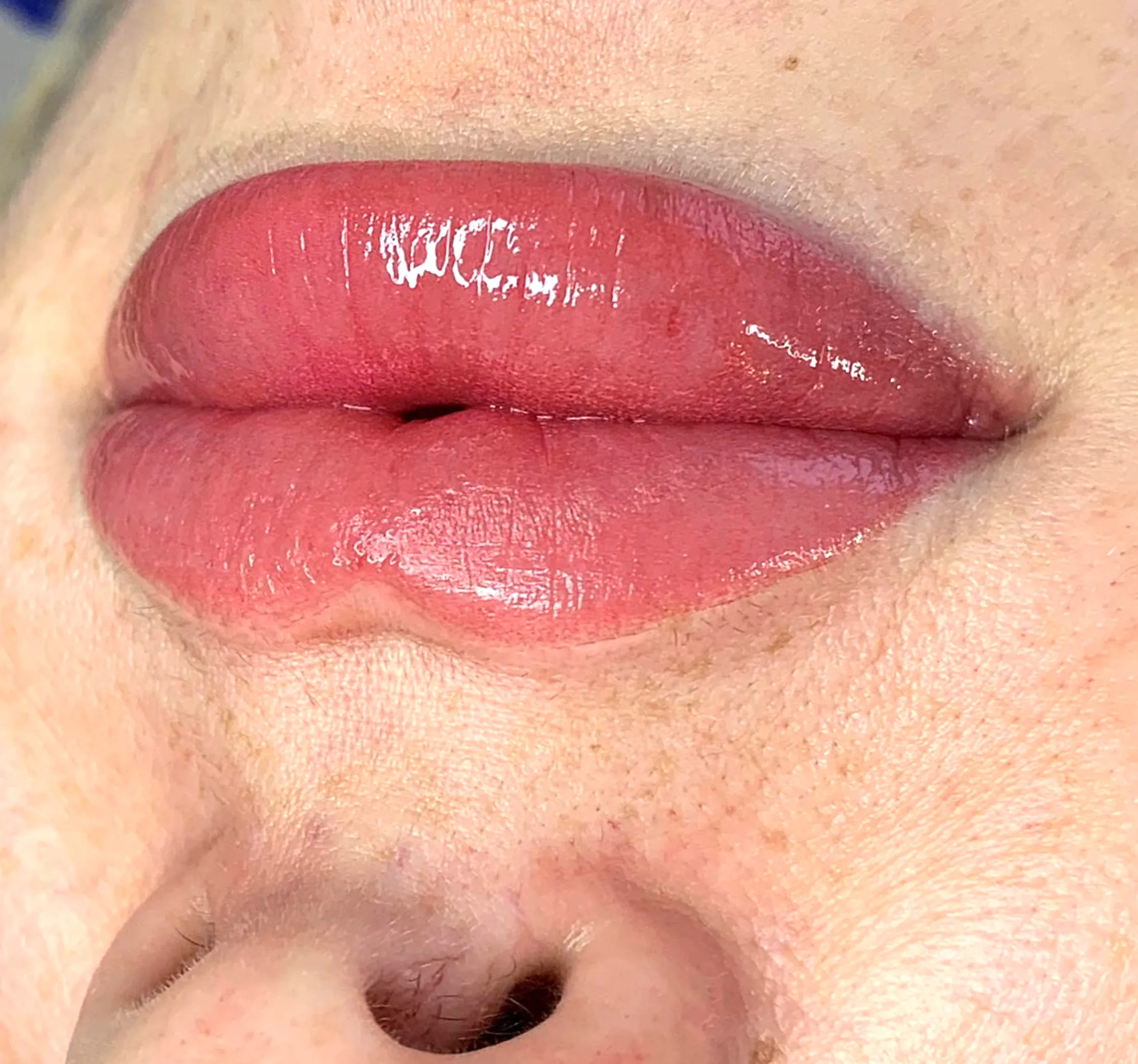
Lip blushing isn’t forever — and that’s part of its beauty. On average, a lip blush tattoo lasts 2 to 3 years before it fades noticeably. If you want low maintenance colour that enhances your natural lip shape, a lip blush tattoo is a good option.
| Factor | Impact on Longevity |
|---|---|
| Skin Type | Oily skin may fade faster |
| Lifestyle | Sun exposure, smoking, and frequent exfoliation speed up fading |
| Pigment Colour | Lighter pigments fade quicker than deeper shades |
| Aftercare | Proper healing process and following post-care instructions boost pigment retention |
| Touch-Ups | Annual colour boost refreshers can extend results to 5+ years |
So if you have dry or chapped lips, wear lip balm with SPF daily and go easy on the exfoliants, and you’ll likely see your tint stick around longer than your lip gloss.
What Makes Lip Blush Fade Faster?
Even the best cosmetic tattooing can fade sooner than expected if you don’t know the sneaky culprits. Here’s what can cut your colour short:
- Sun exposure: UV rays break down lip pigment molecules over time.
- Chemical exfoliants: Ingredients like glycolic acids or retinol are near the lip skin.
- Smoking: Reduces blood circulation and speeds up cell turnover.
- Cold sores: Repeat outbreaks can interfere with colour implant and pigment retention.
- Immune response: Some bodies just push pigment out faster due to an inflammatory response.
We had a client who loved her morning ocean swims, but after 18 months, her once-rosy tint had barely shown up. Beautiful lifestyle, but the salt, sun and lip chemistry did her cosmetic lipstick tattoo no favours.
How Often Should You Get a Touch-Up?
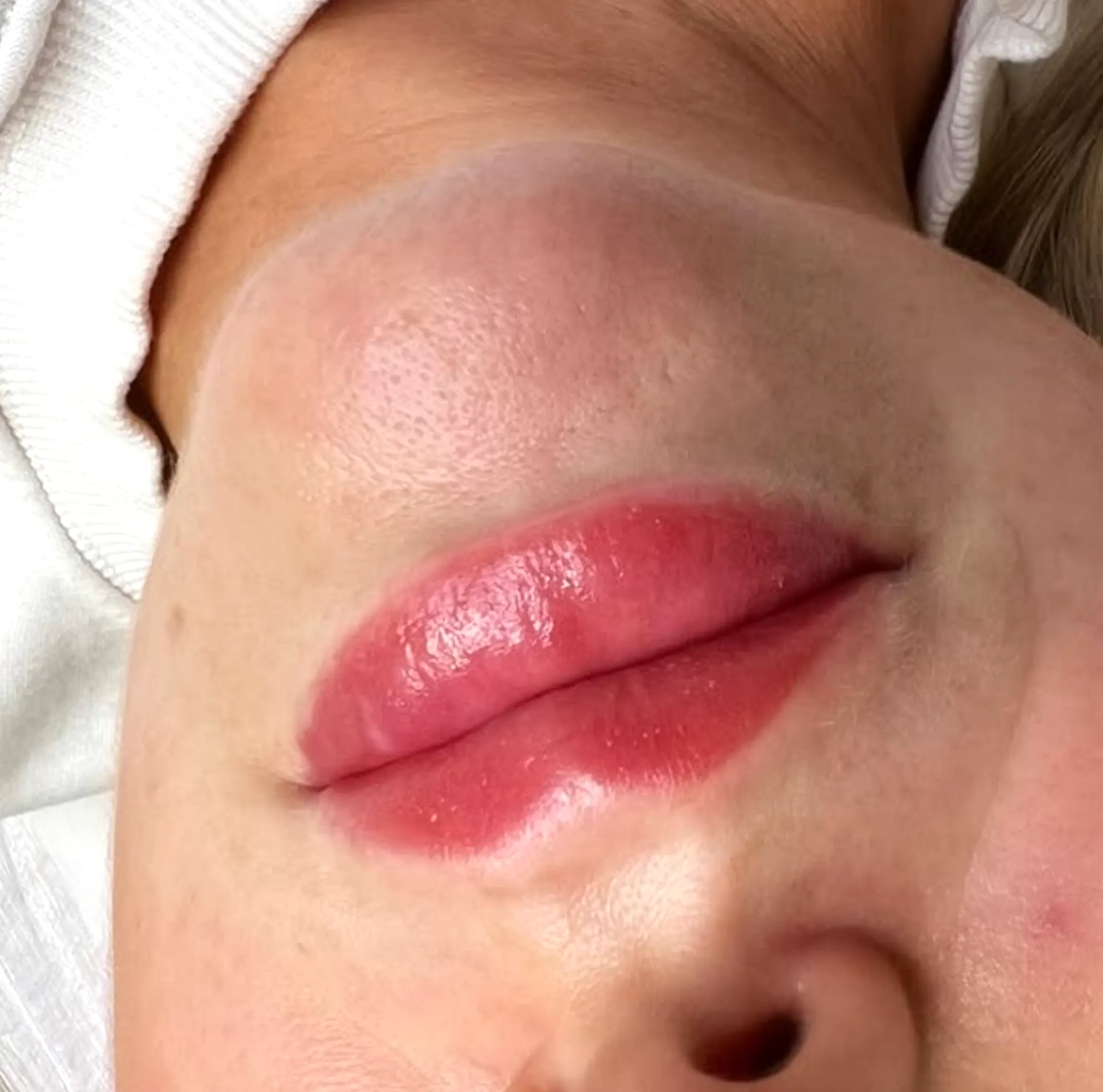
Most clients come back for a perfection session 6–8 weeks after their initial lip tattooing procedure. This refines lip shape, lip outline and colour gradient once healing is complete. If you’re getting a Melbourne lip tattoo, expect this follow-up to perfect your results.
- Minor colour boost: Every 12–18 months for most people.
- Full refresh: Around the 2-year mark.
Some clients love their Lip Blush so much that they come in annually for a semi-permanent tattoo boost, especially those with lighter natural tones or lip pigment shade preferences that fade faster. Others wait 3–4 years until their lip tint tattoo needs a complete redo.
Lip Blush Longevity on Different Skin Types
Let’s be blunt: your skin type matters. Here’s how:
- Oily Skin: Faster pigment fading due to increased sebum and cell turnover.
- Dry Skin or chapped lips: Often holds pigment better, but can flake during the healing process if not kept moisturised.
- Mature Skin: May need extra sessions due to thinner, less elastic lip skin.
- Sensitive Skin: More prone to immune reactions and delayed healing. That’s why at Face Figurati we do a proper consultation, patch test and chat before any cosmetic tattoo procedure. It’s about working with your skin tone and condition, not against it.
What Happens When It Starts to Fade?
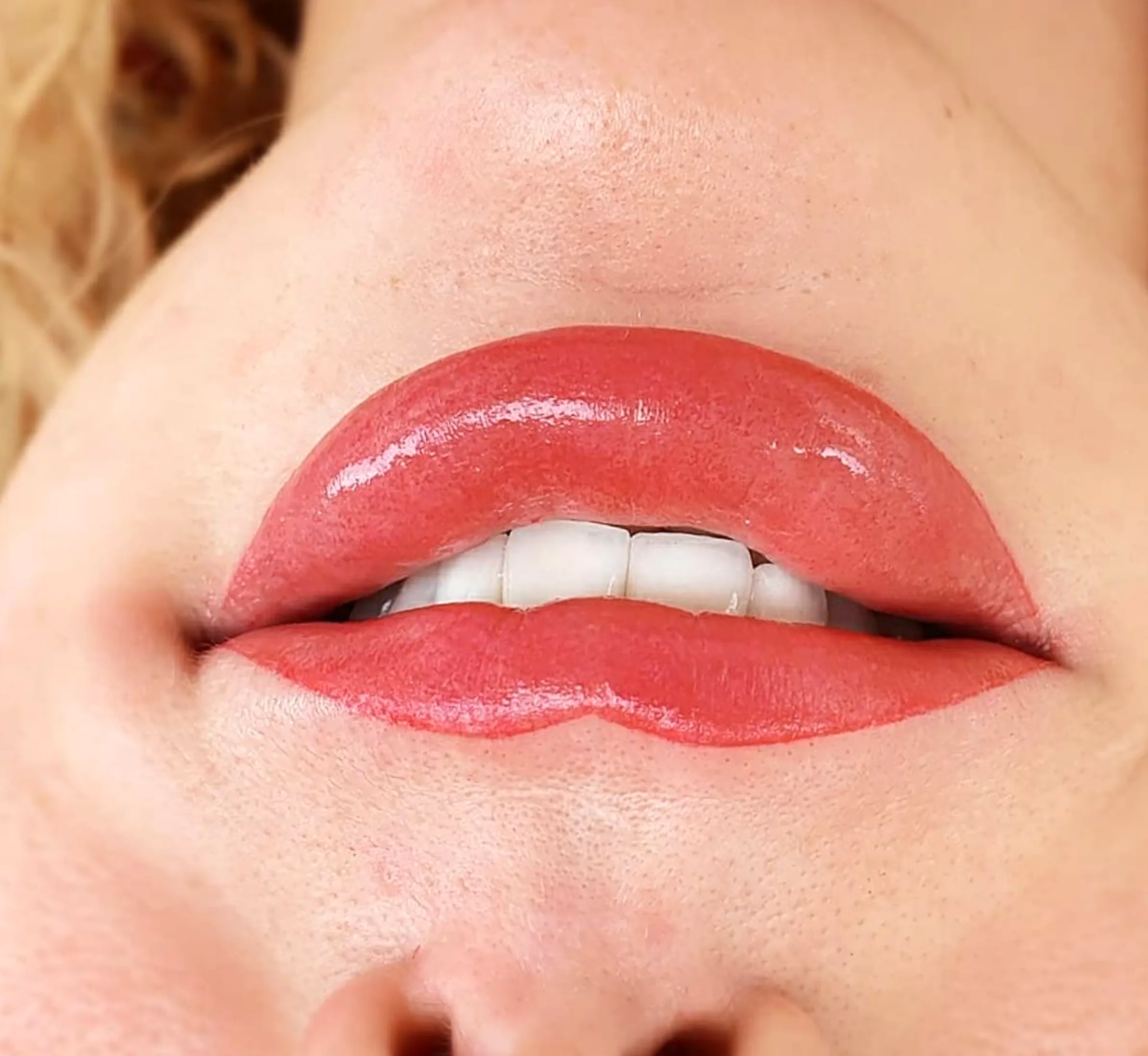
It won’t disappear overnight. Instead, you’ll notice:
- A softer wash of colour instead of that freshly tinted look
- Cooler undertones showing through (especially if warm pigments fade first)
- Less defined lip border around the lip liner tattoos
At this stage, you can:
- Book a colour boost with your permanent makeup artist
- Let it fade naturally if you’re going bare-lipped for a while
- Correct or change the shade with a tattoo artist trained in colour theory
One of our Melbourne clients switched from a dusty rose to a coral tint after three years. The faded base made for a perfect canvas for Lip Blush Tattooing. Lip blushing can also act as a base layer to enhance the look of your favourite lipstick.
Can It Last Longer Than 3 Years?
Yes — especially if:
- Follow all aftercare instructions (no spicy food, no lip filler treatments during healing)
- Use lip balm with SPF every single day
- Avoid harsh skincare near the mouth area
- Choose high-quality pigments suitable for your skin tones
- Maintain your general health (immune responses affect semi-permanent cosmetic tattooing)
- Work with a qualified cosmetic tattoo technician using a single-use needle and cosmetic tattoo gun or digital pen
In our Melbourne studio, we’ve seen well-cared-for permanent makeup lips retain soft lip pigment for up to 5 years. It might fade a little, but the base hue still gives that natural, enhanced tint without lip pencils. Some clients say it even replaces their daily swipe of tattoo lipstick.
Real Talk: When It Fades Unevenly
Pigment doesn’t always fade evenly. You might end up with:
- A lighter centre and darker lip outline
- Patchy areas where pigment didn’t hold (often linked to poor aftercare or lip scars)
- Cool or blue-ish tones if warm pigment tones wear off first
If that happens, don’t stress. A skilled tattoo artist can rework and correct it. And if you’re totally off the colour or shape, there are safe laser or saline-based tattoo removal options to start over.
Who Should Avoid Long-Term Lip Blush?
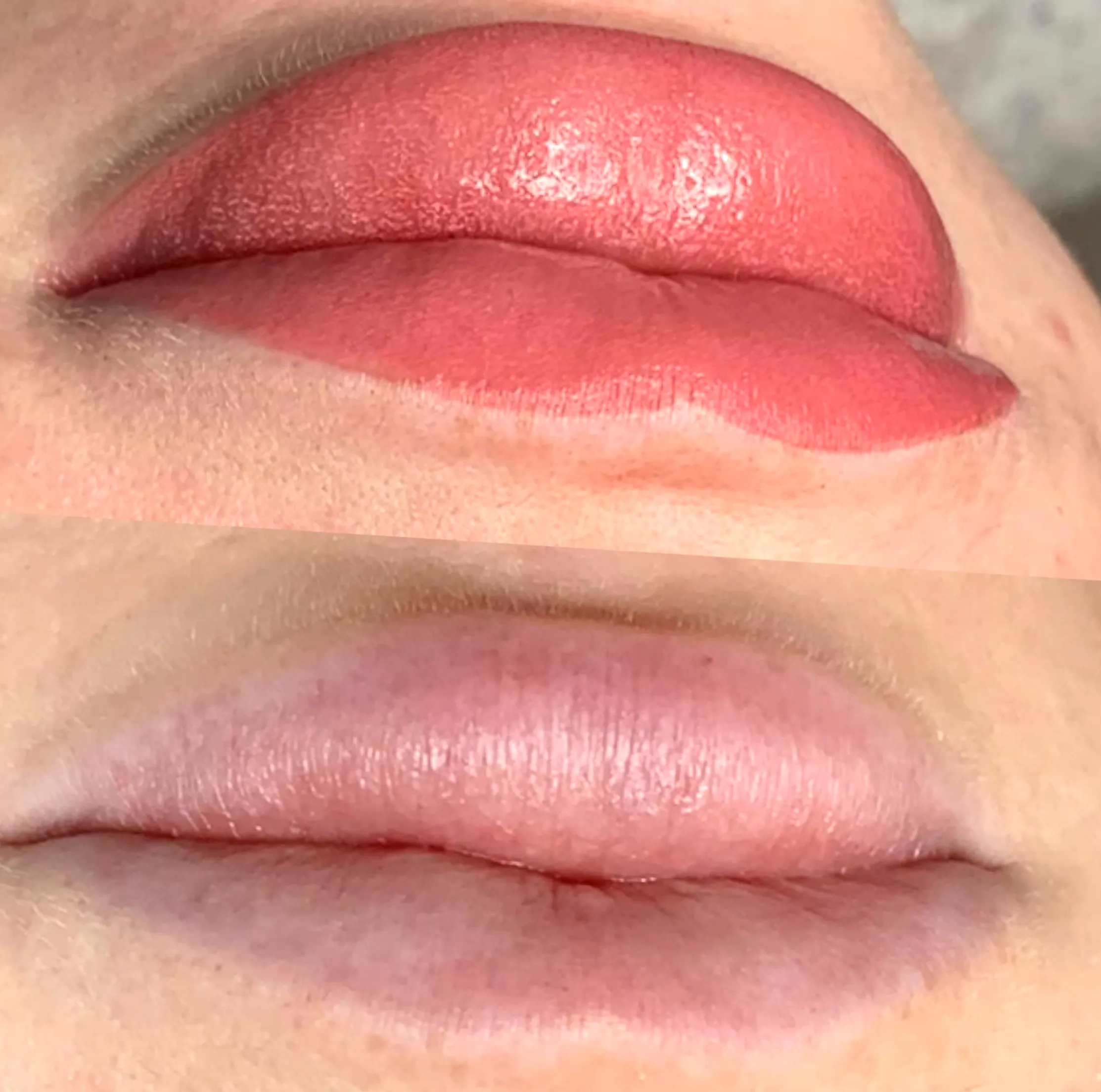
Lip blushing isn’t for everyone. You may want to reconsider if:
- Get frequent cold sores and can’t take antiviral meds before a Tattoo Appointment
- Have autoimmune disorders that affect pigment retention or healing
- Take blood thinners or are prone to scarring or lip swelling
- Have significant scar tissue on the lips
- Aren’t ready for the healing process, downtime, or touch-up costs
Always speak with your cosmetic tattoo artist or technician first. We’ll walk through everything with transparency so you can make the right call.
Before and After: What to Expect Over Time
Here’s a rough timeline of what the years might look like with semi-permanent makeup:
| Timeframe | Lip Blush Appearance |
|---|---|
| Day 1 | Bold, lipstick-like colour with swelling (Zensa Numbing Cream or local anesthetic may have worn off) |
| Week 1 | Peeling, light flaking, maybe some redness |
| Week 6 | Fully healed colour settles in |
| Year 1 | Still fresh and vibrant, especially with a colour boost |
| Year 2 | Fading begins, softer hue, maybe some uneven tones |
| Year 3 | More faded, especially for those with lighter pigment preferences |
| Year 4–5 | Very faint tint or residual lip rouge if not touched up |
Final Thoughts: Is It Worth It?
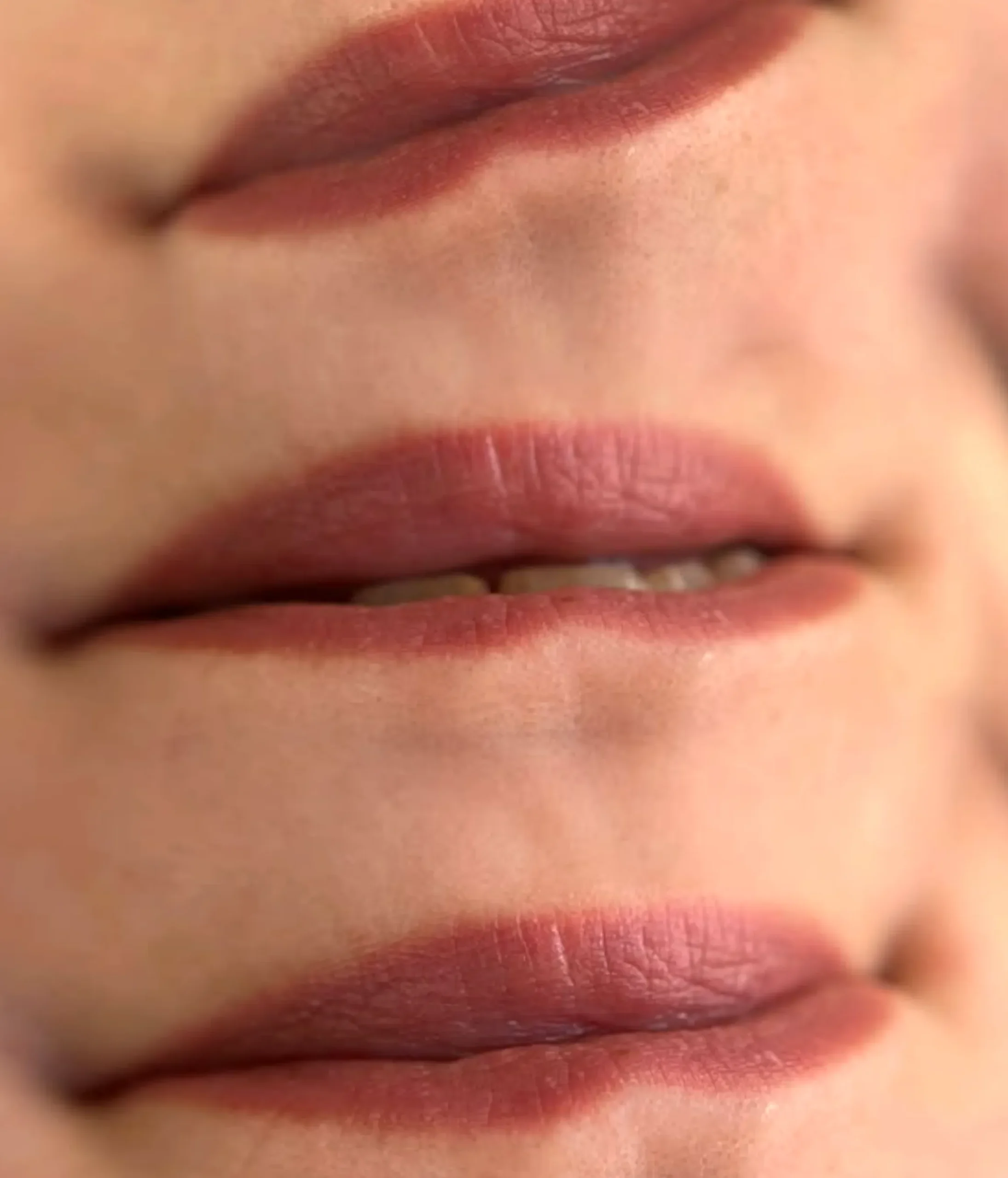
So, how long does lip blushing last? Truth is: it depends on your skin type, lifestyle and aftercare game. But for most of our clients in Melbourne, Lip Blush Tattoo results look fabulous for 2–3 years with proper care. If you’re new to the idea, getting a Melbourne lip tattoo is a great way to simplify your beauty routine.
Think of it as semi-permanent confidence with your coffee, gym sesh or even a casual brunch without lip liner. And if you need help figuring out your ideal lip pigment or whether your lip shape is suitable, we’re just a message away.
FAQ
How long does lip blushing last on most people?
2 to 3 years. Some see fading as early as 12 months, depending on skin type and sun exposure.
Can you make it last 5 years?
Yes — if you follow aftercare, avoid UV rays and opt for deeper permanent lip tattoo pigments.
What happens if I don’t touch it up?
It fades gradually. You’ll be left with a soft tint or completely bare lips over time. Perfect if you’re cycling off semi-permanent makeup.
Does skin tone affect how long it lasts?
Yes. Deeper skin tones usually retain lip pigment longer. Fairer tones can show fading more quickly, especially with natural tones.
Is it painful to redo after a few years?
Not really. With numbing and a skilled cosmetic tattoo technician using sterile tools and digital pens, it’s usually quicker and easier than the first go.