Do Aboriginal People Still Live in Kakadu Today?
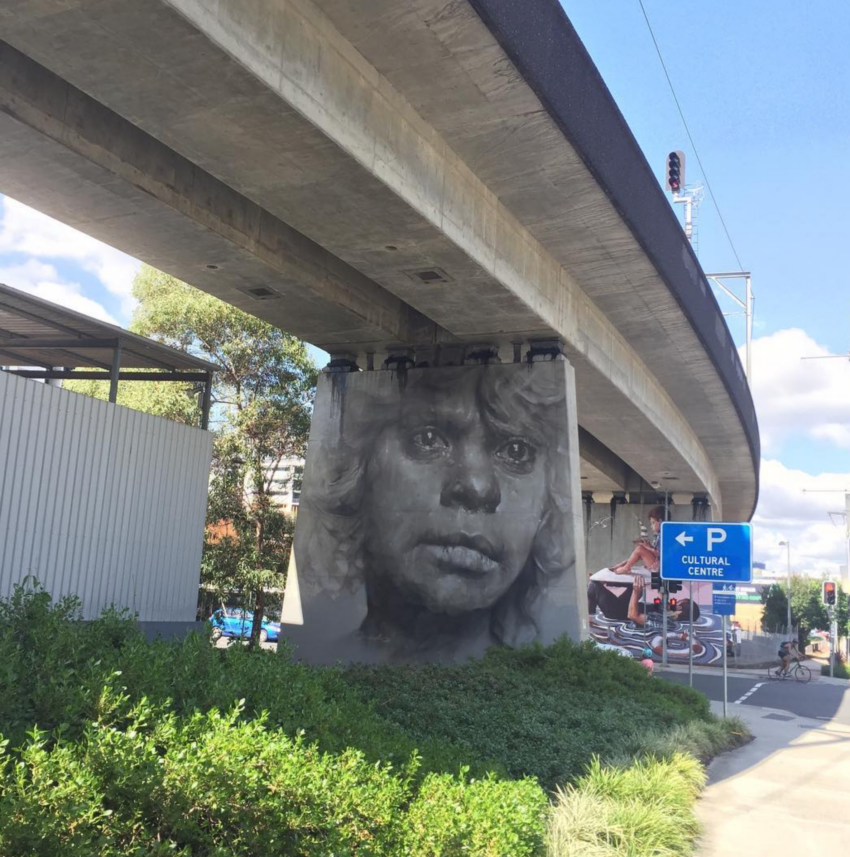
Kakadu National Park is one of Australia’s most famous destinations, known for its breathtaking diversity, ancient history and rich Aboriginal culture. Spanning nearly 20,000 square kilometres in the Northern Territory, this unspoilt landscape is more than a nature reserve – it’s a living cultural landscape that’s been shaped and cared for by Aboriginal communities for over 65,000 years.
So, do Aboriginal people still live in Kakadu National Park today? Their presence is not only ongoing but essential to the spiritual connection, natural values and cultural values of this vast and complex environment.
Aboriginal Custodians of Kakadu
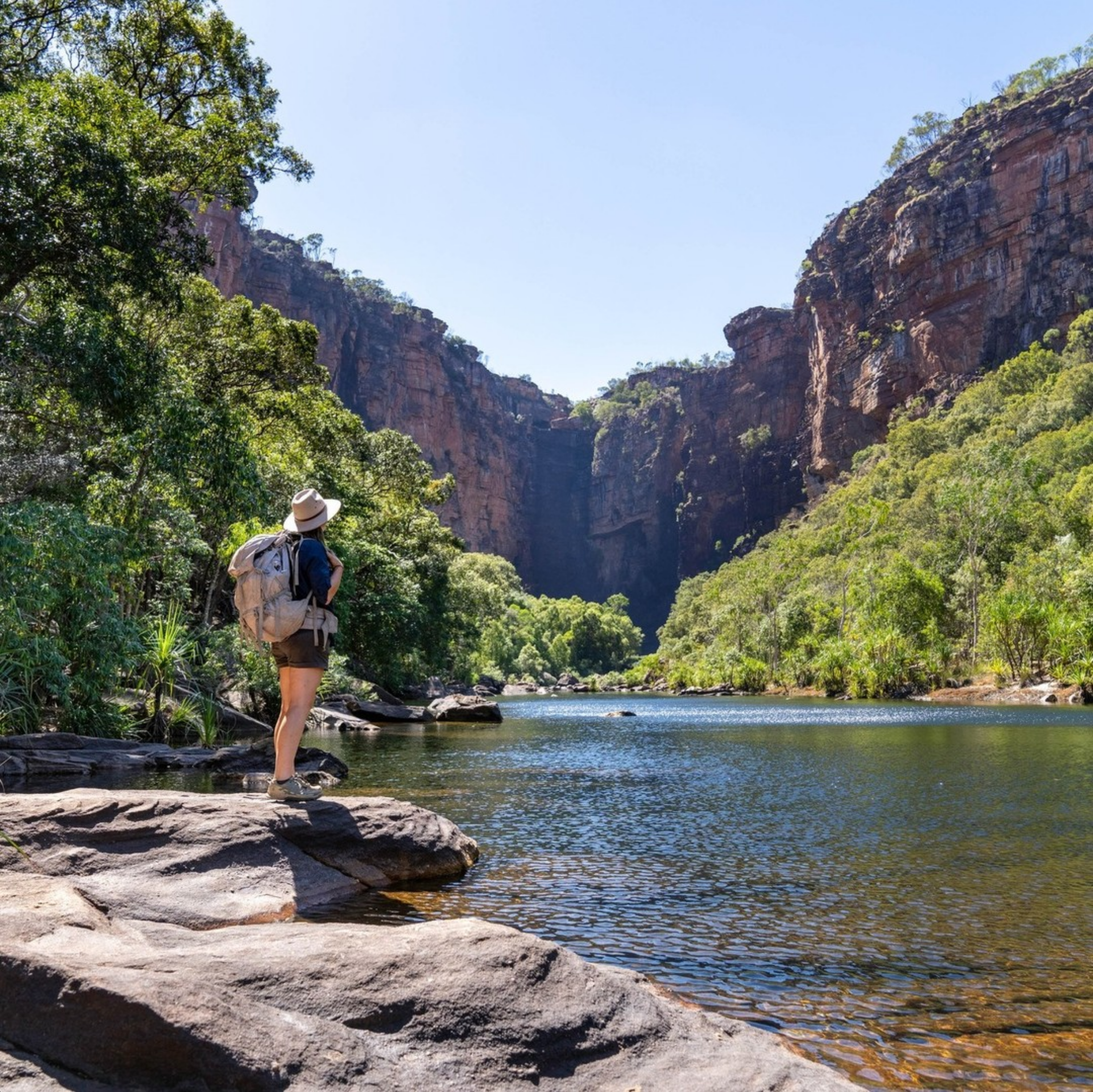
The Bininj and Mungguy people are the Traditional Owners of Kakadu. Their ancestral lands stretch across the park, from the tidal mudflats and wetlands to the dramatic escarpments of the Arnhem Land plateau. These Indigenous owners have a deep connection to the land, rivers, plants, animals and sacred sites that have supported their culture since Creation time.
19 clan groups maintain their living culture in Kakadu. Their daily lives include gathering practices, caring for sacred sites, participating in cultural traditions, and passing down creation stories. Communities like Jabiru, Gunbalanya, and Patonga are home to many Bininj and Mungguy families today.
Joint Management
Kakadu is jointly managed by Traditional Owners and Parks Australia under a binding agreement. Through this partnership, Indigenous voices influence all decisions on land care, tourism, conservation and climate change.
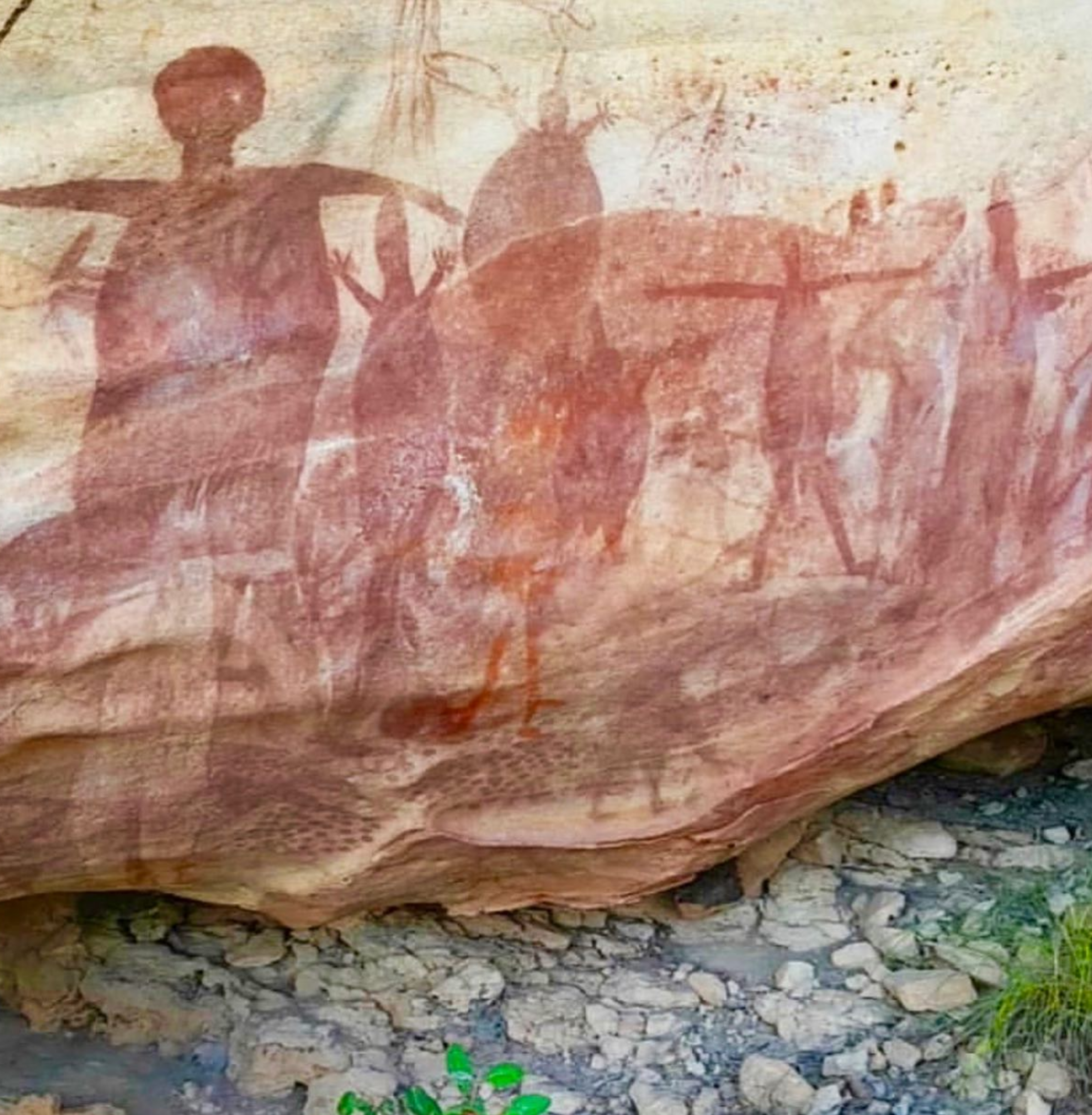
The Board of Management has a majority of Aboriginal owners, so Aboriginal cultural authority drives park operations. This joint management approach protects archaeological sites, Aboriginal rock art sites, burial grounds and rock art sites, and addresses issues like feral animals, invasive species and cane toads.
Indigenous Culture Experiences for Visitors
Kakadu offers a wide range of Aboriginal tourism experiences. Visitors can explore extensive rock art sites at Ubirr, Nourlangie, and Koolpin Gorge, showcasing detailed paintings of human figures, Barramundi, and Aboriginal rock painting styles dating back to the 19th century and beyond.
Whether you’re planning a full itinerary or looking for a Kakadu day tour, you’ll find opportunities to connect with local culture and discover one of the most significant cultural landscapes in the world.
You can also:
- Cruise the Yellow Water Billabong, rich in bird species, saltwater crocodiles, and freshwater crocodiles
- Walk through Mamukala Wetlands, home to huge concentrations of magpie geese and waterbirds
- Learn from Aboriginal guides about traditional land management, hunting-and-gathering traditions, and plant species used for bush medicine
These cultural insights make Kakadu a leader in Aboriginal tourism businesses and a key part of the Australian tourism business landscape.
If you’re short on time, Darwin day tours are a great way to experience the magic of Kakadu. Many travellers book day trips from Darwin to Kakadu, which include highlights such as Jim Jim Falls, rock art galleries, and wildlife encounters in just one immersive day.
Respecting Aboriginal Land and Culture
When visiting Kakadu, it’s vital to respect Aboriginal Land, cultural attributes, and additional values. Many sacred sites, ceremonial grounds, and archaeological record locations are protected. Some areas are closed to non-Aboriginal people, while others are accessible only with Aboriginal-guided tours.
Always avoid action without approval, respect constant eye contact customs (which can be considered uncomfortable in some Aboriginal cultures), and follow signage around cultural sites. Visitors should also be mindful of damage from water, erosion, and the fragile ecosystems impacted by climate change and tourism.
Aboriginal People Own Kakadu National Park
Through a series of land returns and Aboriginal land claims, much of Kakadu is owned by Aboriginal Territorians and Aboriginal owners. These lands are leased back to the Australian Government and managed with Parks Australia.
This means land security, economic security and the ability to keep cultural practices, land mammals and the diversity of features that make Kakadu a global icon of Indigenous culture and biodiversity.
Living Culture in a Timeless Landscape
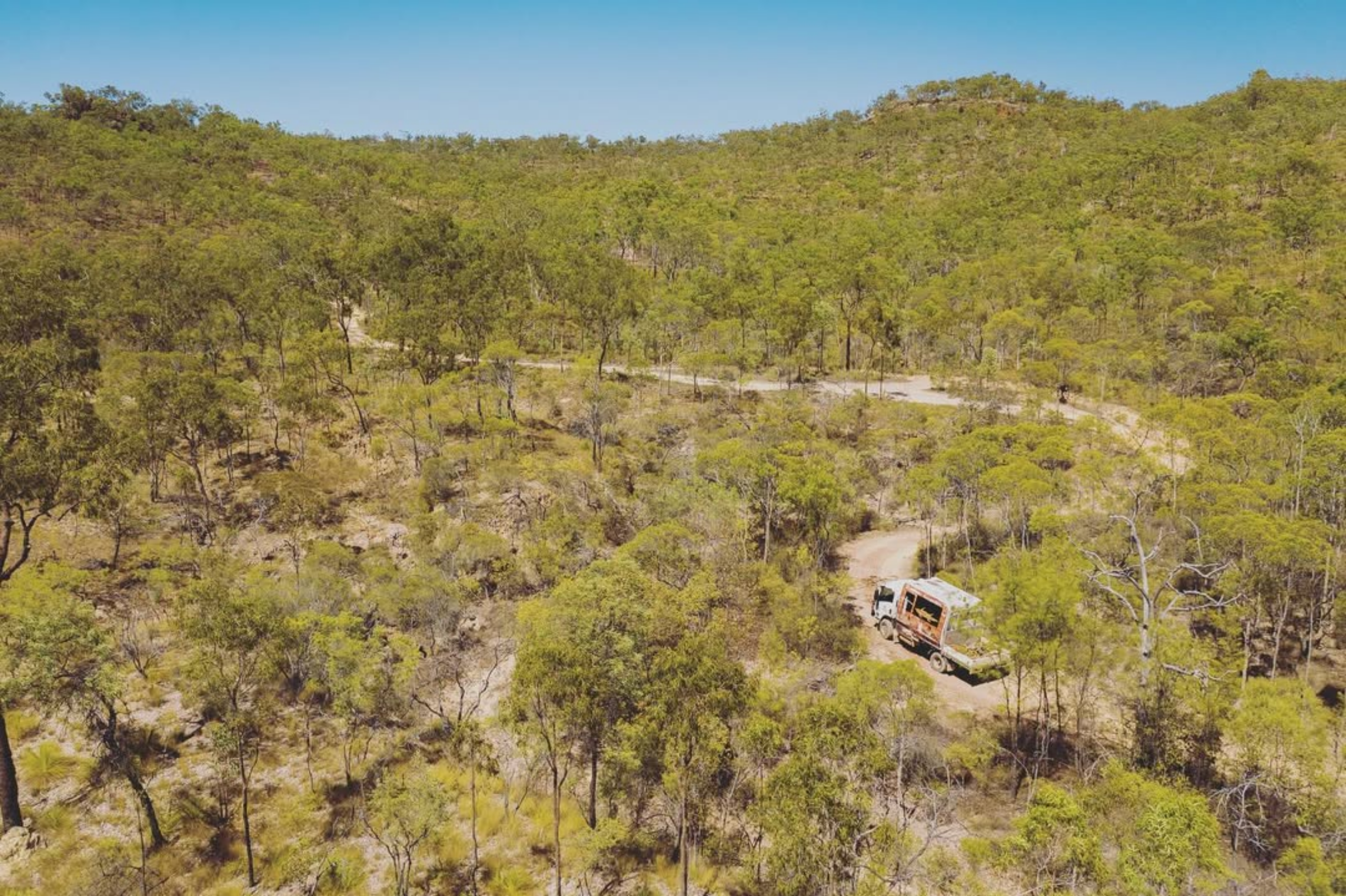
Kakadu is one of the best-preserved cultures on Earth that still lives in its traditional land. Aboriginal people live throughout the park and adjacent land and live modern lives alongside traditional practices.
Their culture is embedded in the tropical rivers, grassy plains, tidal flats, East Alligator Rivers and stone country of Kakadu. This diversity of habitats supports over 2,000 plant species, 280 bird species, 77 mammal species, 117 reptile species and countless fish species, including species from the Alligator Rivers, Roper River and Adelaide River catchments.
If you want to experience both culture and nature, a Kakadu Tour is the way to go. These tours often get access to restricted areas and insights from Indigenous communities who know the land intimately.
Plan Your Visit
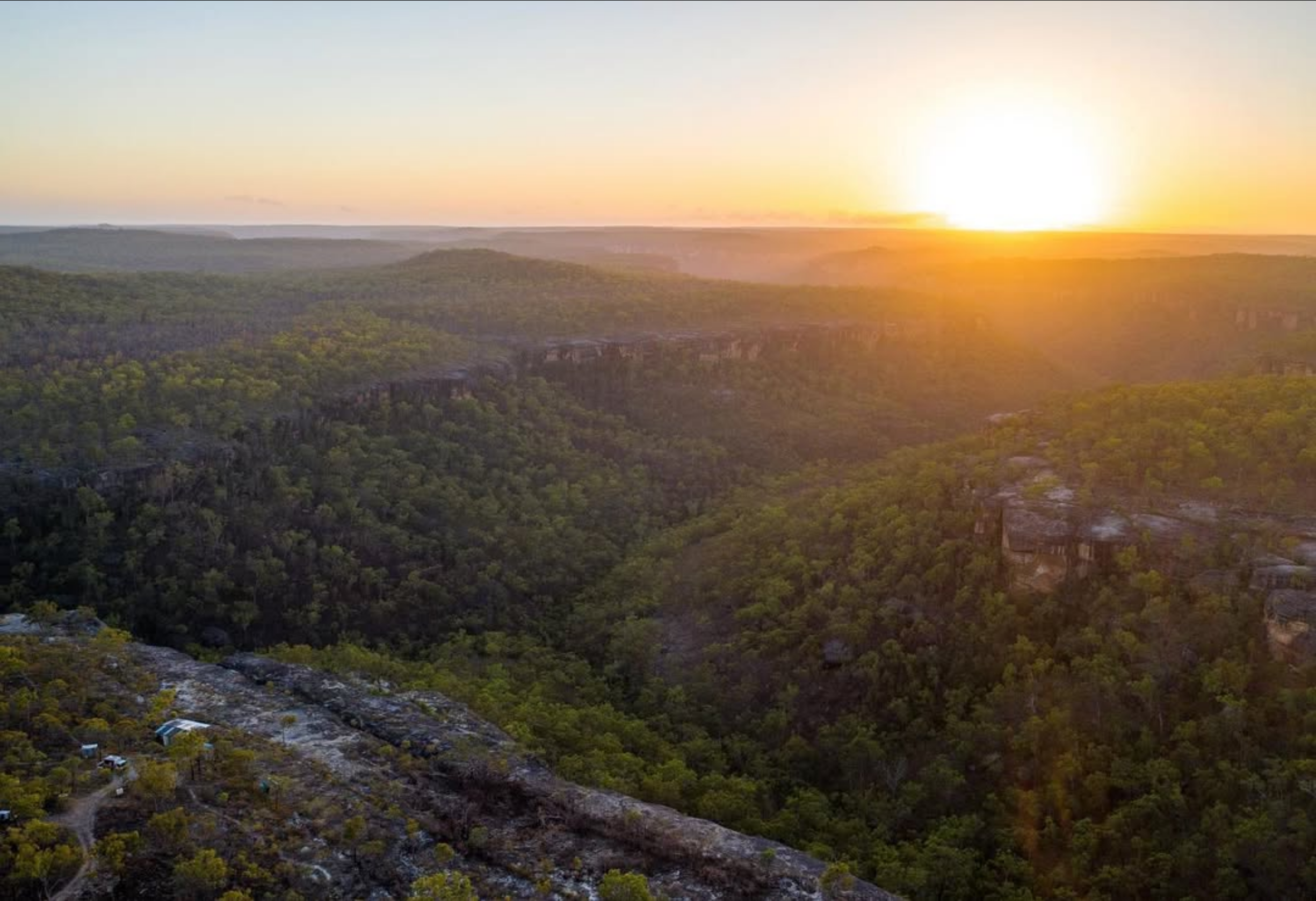
Whether you love Aboriginal history, escarpment geology or birdwatching in the wet season or dry season, Kakadu has something for every kind of traveller.
Tips for your trip:
- Visit in the dry season (May–October) for easier access to waterfalls like Jim Jim Falls.
- Take a scenic flight over Arnhem Land escarpment and vast wetlands.
- Explore the Mary River region for birdwatching and wetland ecosystems.
- Choose Aboriginal-led tours to get real insight and support local Indigenous tourism businesses.
- Respect cultural significance of everything and follow guidelines from national park managers and community members.
If you’re based in Darwin, consider one of the many Darwin day tours that include Kakadu. These day trips from Darwin to Kakadu are a great way to see the highlights in a day, perfect for those with limited time.
Conclusion
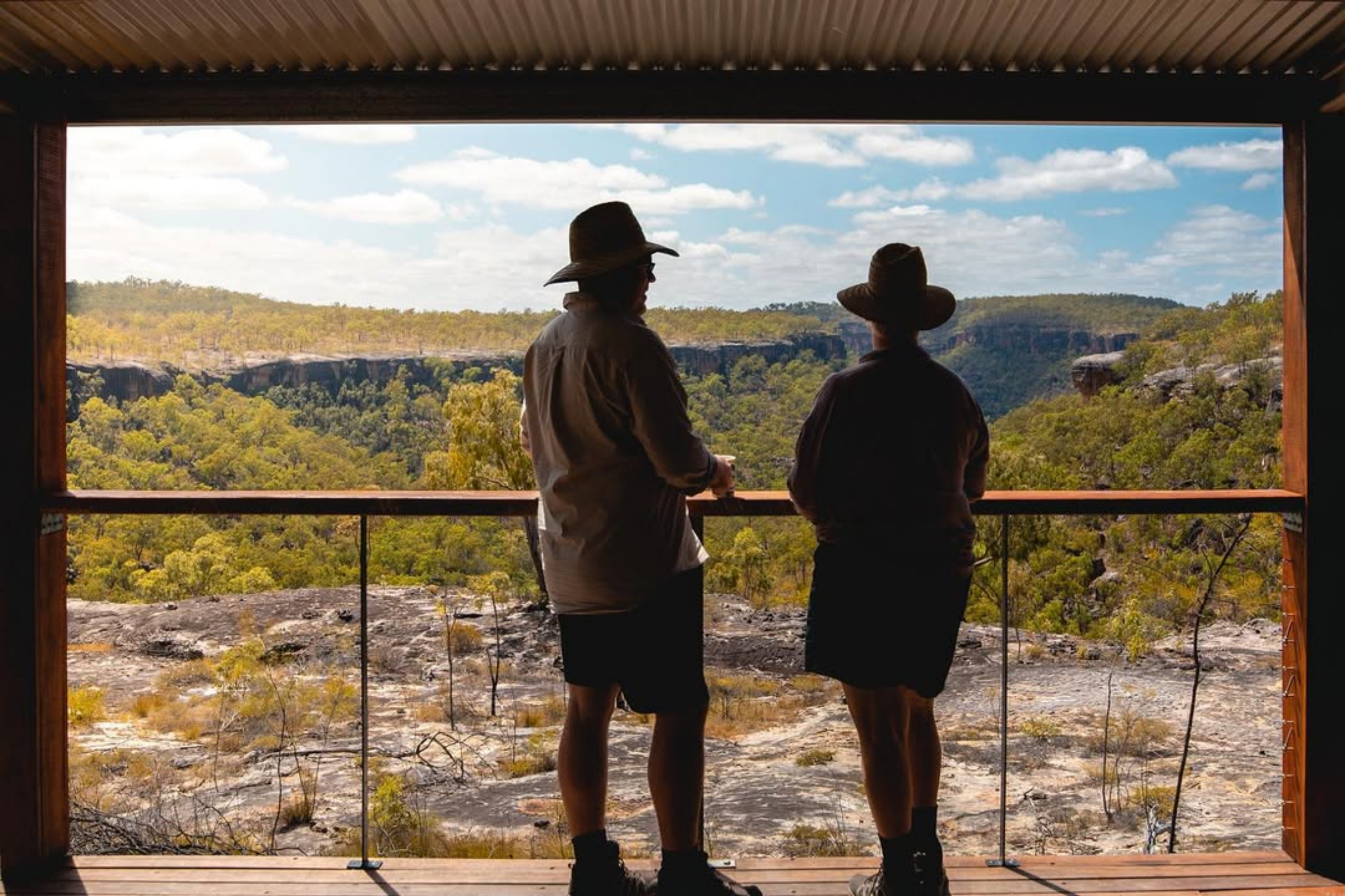
From cultural sites and archaeological sites to contemporary Aboriginal communities, Kakadu is a living museum of human civilisation and one of the richest cultural landscapes on the Australian continent.
FAQ
Do Aboriginal people still live in Kakadu National Park?
Yes. Many Aboriginal people live in Kakadu today, looking after culture, land and contributing to park management.
What role do Aboriginal people play in managing Kakadu?
Traditional Owners work with Parks Australia to shape policy, protect sacred sites and apply Indigenous land management practices.
Can I visit Aboriginal cultural sites in Kakadu?
Yes, but always follow signs and go with Aboriginal-led tours to visit rock art sites, sacred sites and burial grounds.
Are there Aboriginal tourism experiences in Kakadu?
Yes. Aboriginal-owned tours offer rock art walks, cultural talks, bush food tastings and wetlands cruises at places like Yellow Water and Mamukala.
What wildlife can I see in Kakadu?
Saltwater crocs, freshwater crocs, magpie geese, death adders, plants and more than 200 bird and mammal species.